
The Meaning of Names and Words
The Life and Opinions of Tristram Shandy, GentlemanThis thread traces how the novel’s language—names, euphemisms, and technical terms—creates and distorts reality.
increasing Bearing strength in each event
 decreasing
Bearing strength in each eventdecreasingA Misheard Name
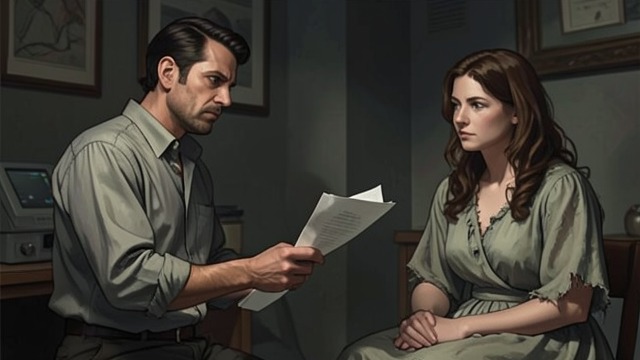
Language in Transit
The message changes
Walter’s intended name passes through Susannah’s imperfect memory and reaches the curate in altered form. Tristram receives a name no one had chosen.
A material consequence
A small verbal distortion shapes family feeling for years. The episode shows words acting through social institutions and mistakes.
A Sermon Misread
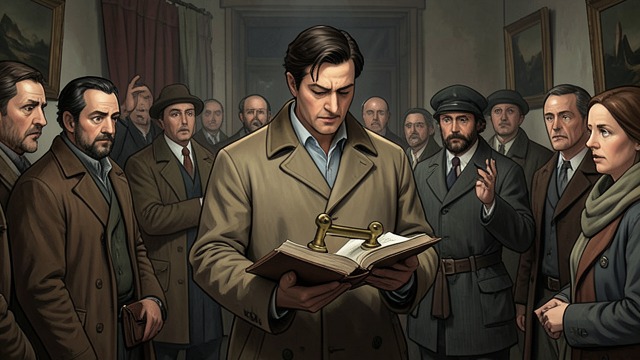
Accent Changes Meaning
Interpretation begins
Trim’s tone leads Walter and Slop to disagree about whether the sermon attacks the apostle. The wording remains the same while its perceived intention shifts.
Performance matters
Voice, gesture, and audience shape meaning. The scene turns reading aloud into a miniature argument about interpretation.
The Hinge and the Word
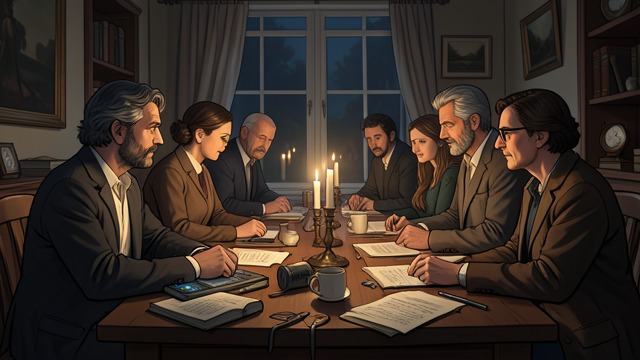
Language Makes Associations
Words trigger thought
A sound or phrase brings new subjects into the family’s conversation. Walter and Toby follow different associations from the same event.
Misunderstanding multiplies
The household’s talk continually departs from its starting point. Language is a route for thought, but also a source of confusion.
The Nose Defined
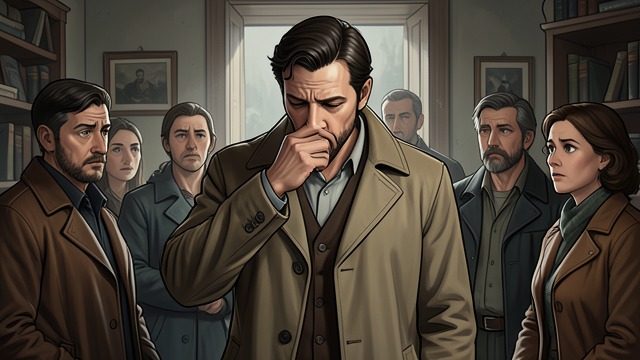
A Definition Against Ambiguity
Tristram intervenes
The narrator insists that “nose” means a nose and nothing more or less. He presents definition as an attempt to prevent interpretive mischief.
Irony remains
The very insistence draws attention to the word’s suggestive associations. Language cannot be made innocent by decree.
Euphemism and Exposure
Words Conceal and Reveal
Indirect speech
Characters rely on dashes, hints, and euphemisms when discussing the body. Their meanings depend on tone and context as much as words.
A comic problem
The narrator exposes how politeness can intensify what it tries to hide. The unsaid becomes an active part of the story.
At Tristram’s christening
During Trim’s reading of Yorick’s sermon
During the birth-day household confusion
During Walter’s family-history discussions
During the later courtship chapters
